
Terrain lab

Geospatial, economic, and demographic data layered to answer questions no single dataset can

Terrain lab banner

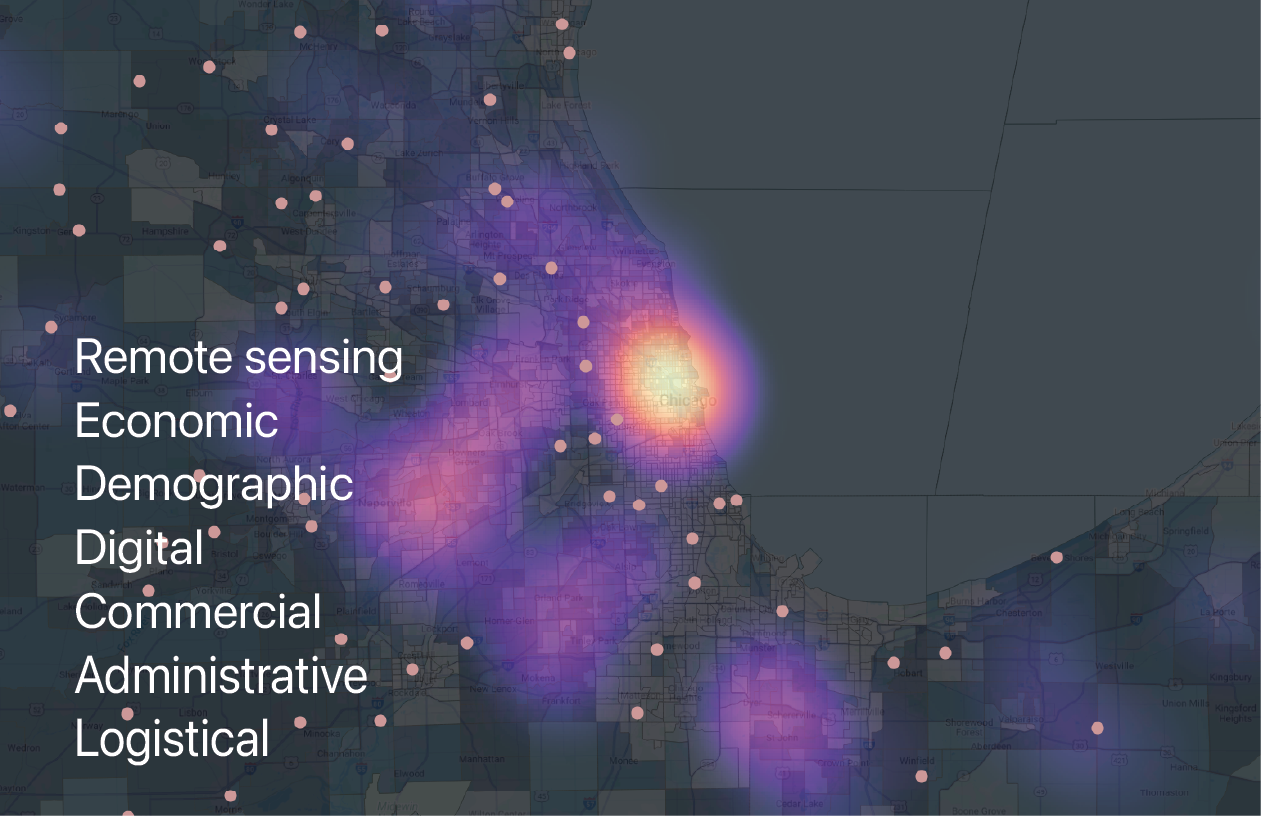
Six layers, one answer

Remote sensing, economic indicators, demographics, digital signals, commercial records, administrative data. Integrated to find what each misses alone

City with multiple layers

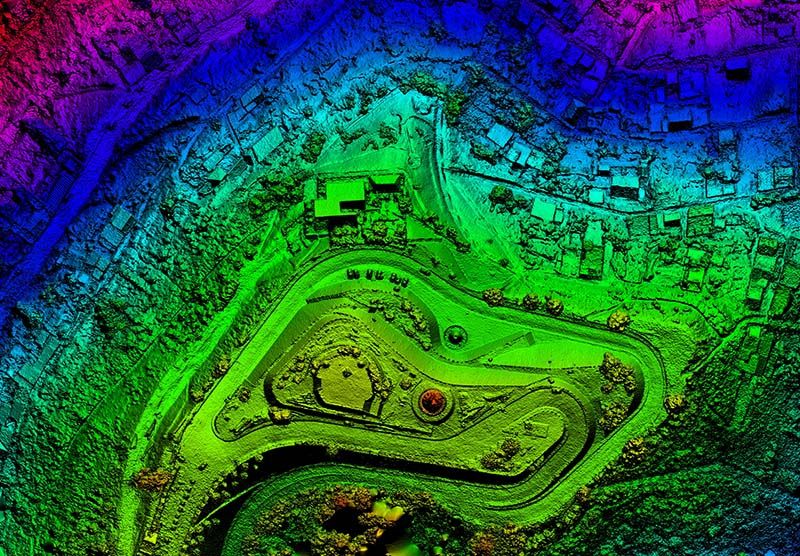
Signal where there's no database

Some markets don't exist in a spreadsheet. We model density, coverage, and opportunity from observable patterns when the clean dataset doesn't exist

Geospatial image

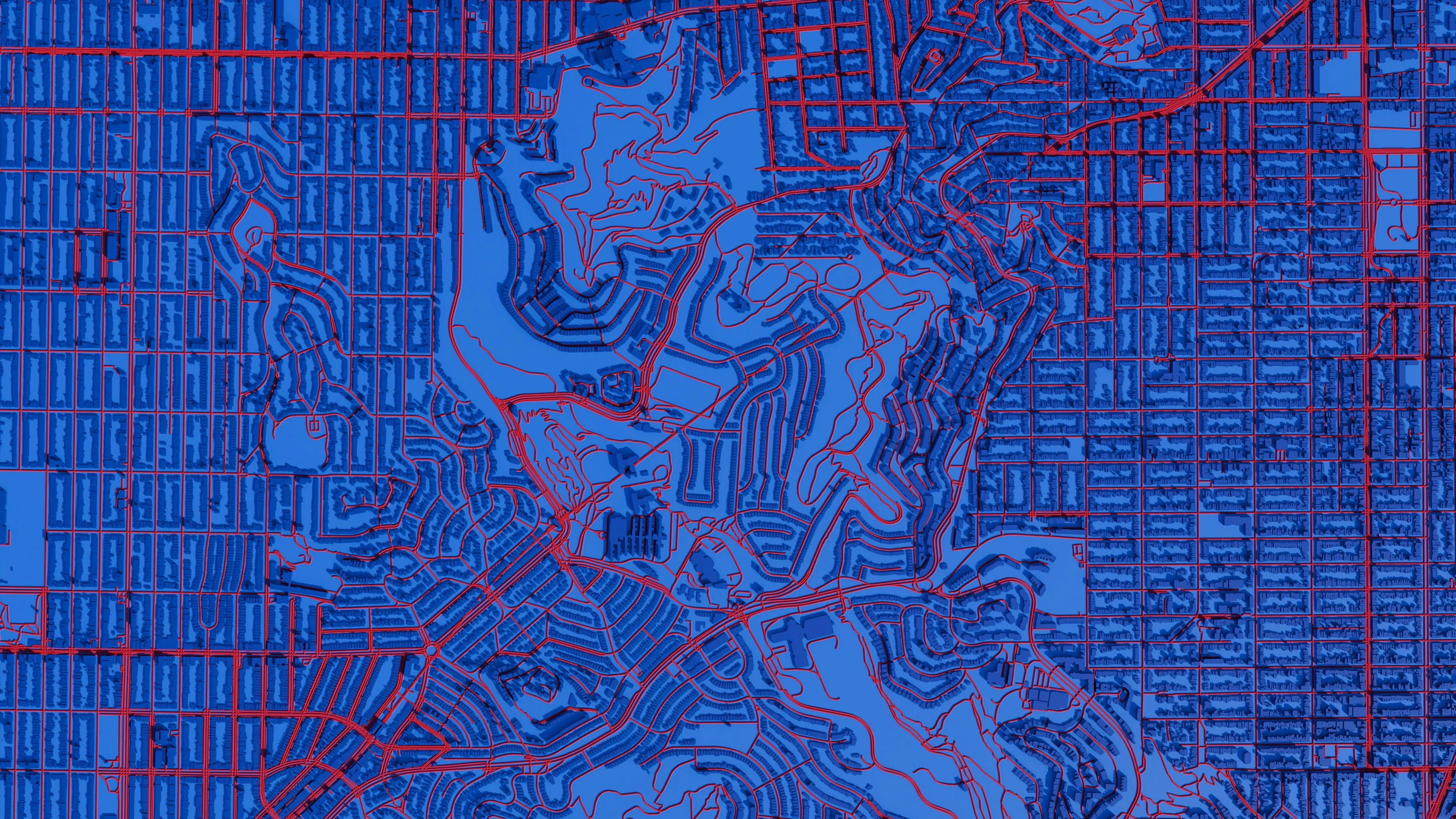
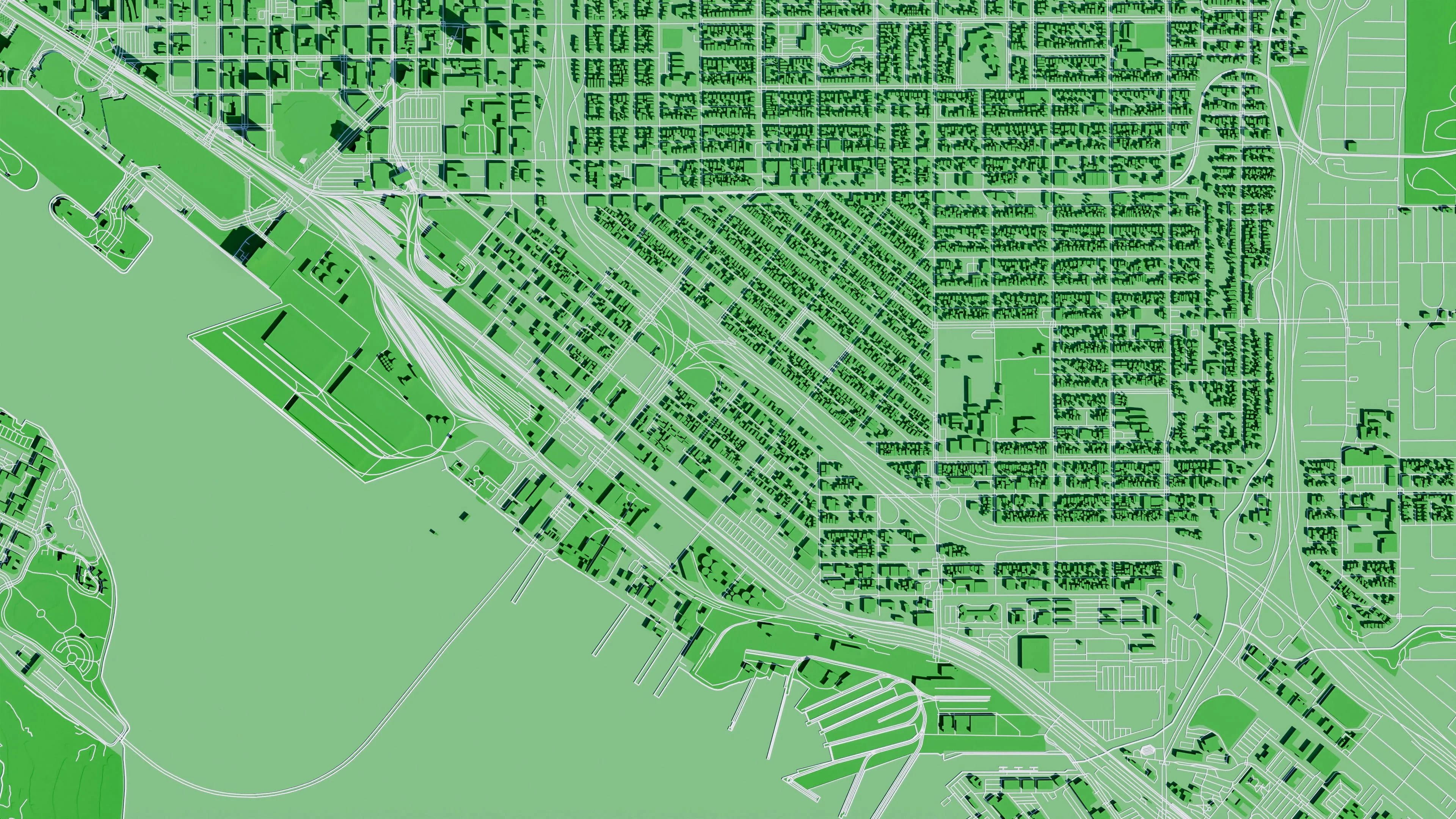
Decisions shaped by place

Network reach. Expansion priority. Performance drivers. For questions where the answer changes depending on where you look

Site location map

Case studies

Geospatial analytics applied to strategic questions

  • Pickleball racket

    Sports Entertainment | Market Sizing

    Advised PE-backed company on potential market extent for sports entertainment venues across 250 MSAs. Modeled catchment areas using demographics and proximity to existing locations, then applied site selection logic in reverse: not where to build next, but how many could exist.


  • Fixed wireless tower

    Fixed Wireless | Network Expansion

    Identified optimal tower placements for fixed wireless provider expanding into underserved markets. Layered demographic density, competitor penetration, and viewshed requirements to find locations that cleared both the business case and the physics.

  • Worker performing auto maintenance

    Auto Services | Performance Attribution

    Explained why certain auto services locations outperform others within the same network. Regression isolated the variables that matter: anchor proximity, competitive buffer, demographic fit.

  • Factory worker wearing PPE

    Industrial PPE | International Market Entry

    Sized addressable market for industrial PPE across Southeast Asian country. Mapped density of manufacturing and industrial sites by region to estimate demand where no market research existed.